
Latest Blog Posts
 Suresh Thapa
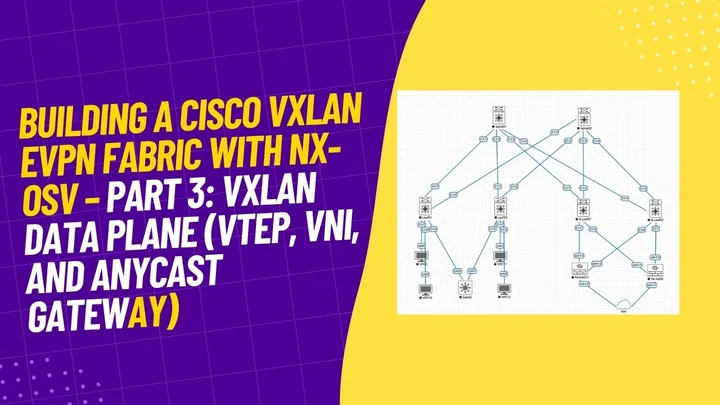
Building a Cisco VXLAN EVPN Fabric with NX-OSv – Part 3: VXLAN Data Plane (VTEP, VNI, and Anycast Gateway)
Now, in Part 3, we finally bring the VXLAN fabric to life by configuring the data plane on leaf switches. This part covers: …..
 Suresh Thapa
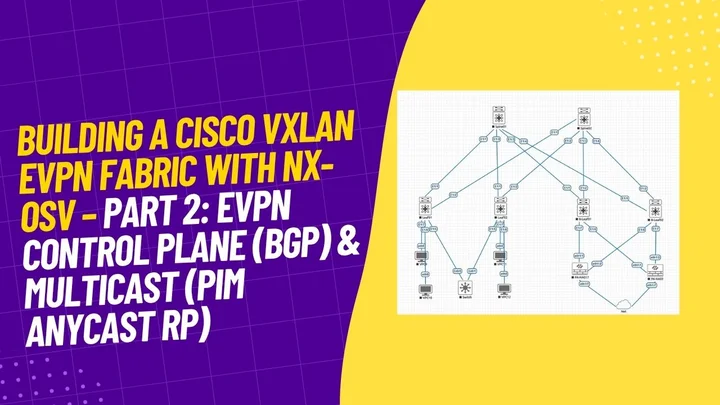
Building a Cisco VXLAN EVPN Fabric with NX-OSv – Part 2: EVPN Control Plane (BGP) & Multicast (PIM Anycast RP)
In Part 1, we built a stable underlay using OSPF and Layer 3 interfaces. Now, we move to the control plane and multicast foundat…..
 Suresh Thapa
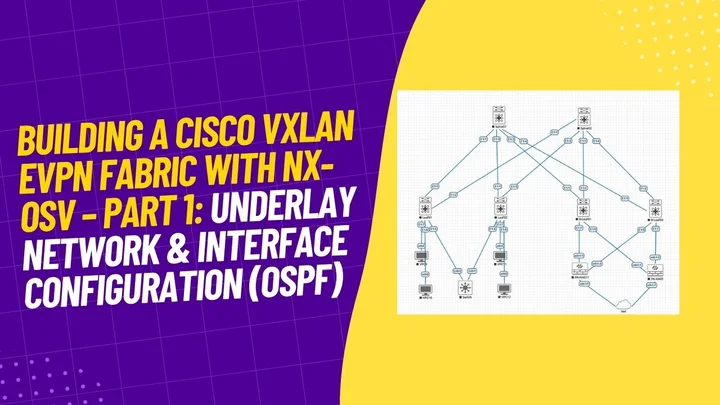
Building a Cisco VXLAN EVPN Fabric with NX-OSv – Part 1: Underlay Network & Interface Configuration (OSPF)
In modern data center networks, scalability and flexibility are critical. Traditional Layer 2 designs struggle with limitations l…..
 Suresh Thapa
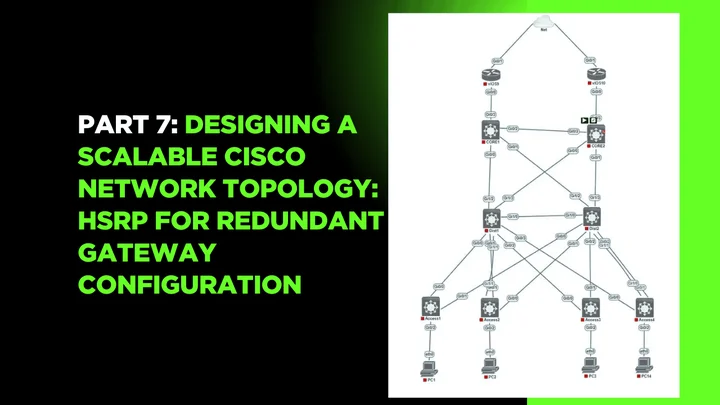
Part 7: Designing a Scalable Cisco Network Topology: HSRP for Redundant Gateway Configuration
High Availability is crucial in enterprise networks — especially at the default gateway level. If the gateway fails, devices in t…..
 Suresh Thapa
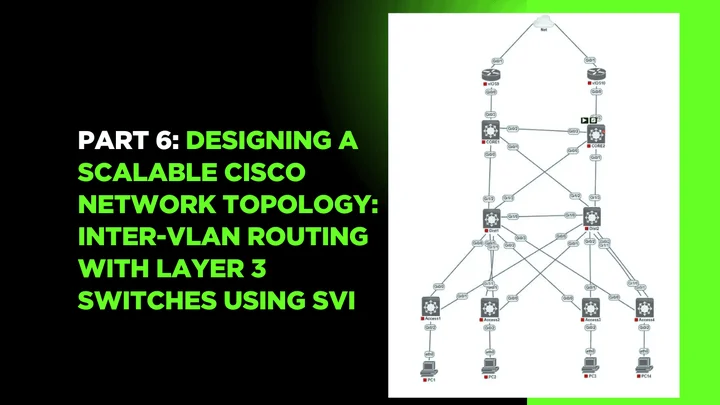
Part 6: Designing a Scalable Cisco Network Topology: Inter-VLAN Routing with Layer 3 Switches Using SVIs
By default, VLANs on a switch are isolated from one another — devices in VLAN 10 can’t communicate with devices in VLAN 20 unless…..
 Suresh Thapa
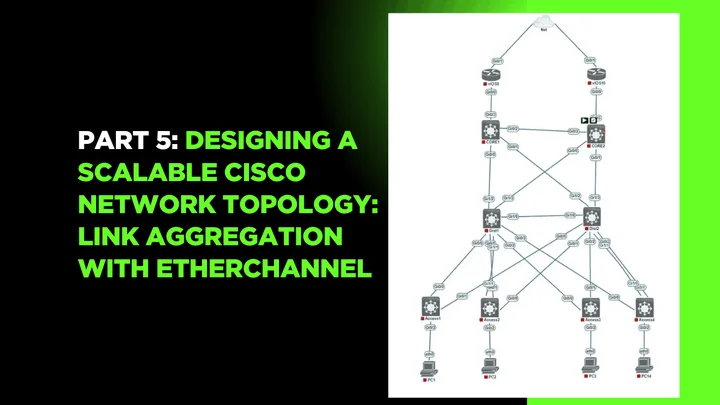
Part 5: Designing a Scalable Cisco Network Topology: Link Aggregation with EtherChannel
As networks grow, link redundancy and bandwidth become essential for handling more traffic and ensuring resilience. Cisco's Ether…..